
Job hunting can be emotionally exhausting. Behind every application is hope, uncertainty, and the pressure of trying to prove yourself. And sometimes, even after giving your best effort, things still do not work out the way you hoped.
My Personal Experience
One experience that really stayed with me was applying for a graduate trainee position at a certain bank. At the time, I was genuinely excited about the opportunity. I prepared carefully and gave the process my full effort.
Besides the application, I went through the SHL tests, which already felt intense on their own. After that, I was invited for in-person interviews, and honestly, making it that far gave me hope that things were finally working out.
Like many people do after interviews, I started imagining what life would look like if I got the role. I thought about the experience I would gain, the people I would meet, and how much the opportunity could change things for me professionally.
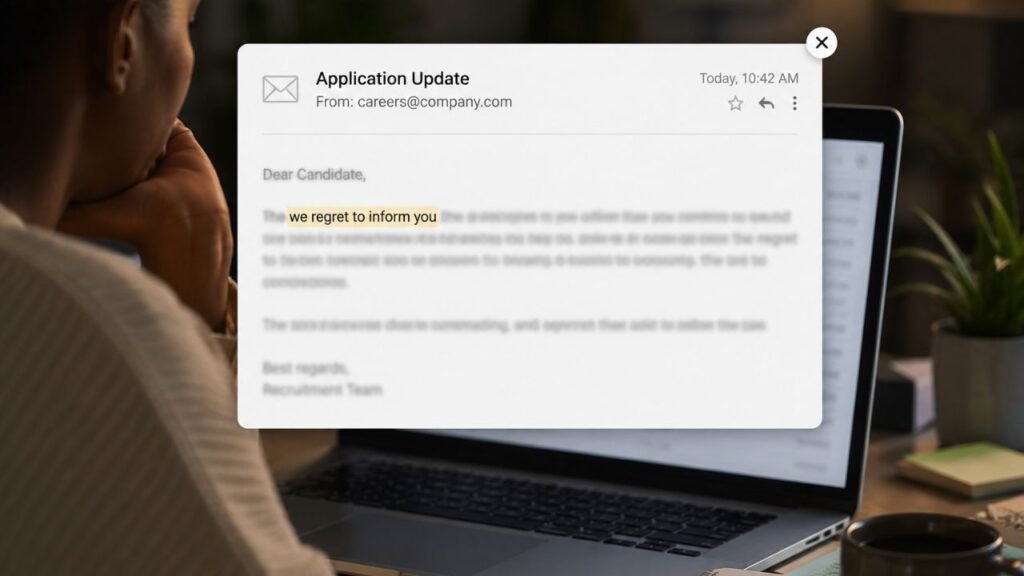
Then eventually, the email came.
“We regret to inform you…”
I remember how disappointing it felt in that moment. After investing so much energy into the process, the rejection felt bigger than just losing an opportunity. It felt personal
The Emotional Side of Job Rejection
One thing people do not talk about enough is how emotionally exhausting job searching can be.
You spend hours updating your CV, preparing for interviews, researching companies, practicing answers, and trying to present the best version of yourself. So when an opportunity does not work out, it is hard not to take it personally.
Sometimes rejection can make you question your abilities, your qualifications, or even your future.
You start wondering:
- Was I not good enough?
- What did they see in someone else that they didn’t see in me?
- Did I say something wrong?
- Will I ever get the opportunity I truly want?
Those thoughts are normal. Rejection has a way of making even confident people doubt themselves.
What Rejection Taught Me
Looking back now, I’ve realized rejection does not always mean you are unqualified or not good enough. Sometimes it simply means that opportunity was not meant for you.
As painful as rejection feels, it can also redirect you toward experiences that fit you better. Some of the opportunities I have today probably would not have happened if certain doors had opened earlier.
A Reminder for Anyone Facing Rejection
If you are currently dealing with job rejection, you are not alone. One email does not define your intelligence, your potential, or your future.
It hurts in the moment, but life continues beyond “we regret to inform you.” Sometimes that rejection is simply making space for a different opportunity ahead.